There is an art to using botox well. The product itself is well understood by now, but the difference between a face that looks softly refreshed and a face that looks frozen often comes down to planning. A non-surgical facial care plan should not chase lines one by one. It should consider expression patterns, skin quality, facial balance, and lifestyle demands, then use botox therapy as a precise tool within a broader strategy. When that happens, the result is not an odd stillness, but a calmer version of your natural self.
What botox does and what it does not do
Botox cosmetic injections relax targeted muscles by blocking nerve signals that tell those muscles to contract. On the face, repeated contraction creates expression lines that deepen over time. When we use a measured botox procedure, those lines soften because the muscles stop folding the skin as aggressively. The effect is most reliable for dynamic wrinkles, especially the movement-driven lines between the brows, across the forehead, and at the outer eye corners. Think frown lines, horizontal forehead lines, and crow’s feet.
Botox treatment does not fill sunken areas or replace lost volume. It will not resurface rough texture or lift lax skin on its own. If your goal is to replace a hollow temple or a deep tear trough, fillers or biostimulators may be needed. If you want a dewy, tighter surface with fewer pores, you are asking for skin health improvements that come from skincare, light devices, or microneedling. A good botox cosmetic treatment works alongside those elements, not instead of them.
Patients sometimes ask for botox for smile lines around the mouth. Those lines are more often caused by volume loss and skin creasing than muscle overactivity. Small doses can help in select cases, for example to soften downturned mouth corners by treating the depressor anguli oris, but you need a careful approach to avoid a flat smile or impaired lip control. The same caution applies for the neck and lower face. A neck band treatment, often called a Nefertiti lift, can refine platysmal banding and jawline definition, but it requires experienced hands and realistic expectations.
A plan with purpose: how to design your non-surgical program
I like to begin with a five-part framework. First, identify movement patterns and expression lines that bother you. Second, assess skin quality and elasticity. Third, map facial balance and the contribution of volume loss. Fourth, review lifestyle, photo habits, and maintenance commitment. Fifth, match the plan to anatomy and budget using phased steps rather than a one-time blitz.
Consider a typical patient in their early thirties with horizontal forehead lines and early frown lines. They work in front of a screen all day and find themselves squinting. A conservative botox anti aging treatment to the glabella (between the brows) and a light touch on the forehead frontalis muscle will soften the frown and the horizontal creases. If we also see crow’s feet, small periocular doses can help. With this patient, I expect the initial effect to last three to four months, maybe longer with consistent maintenance and squint control, for example better screen lighting and blue light filters.
Now switch to a late-forties patient with deeper creases at rest, slightly heavy lids, and etched lines below the eyes. Botox facial treatment will relax movement, but it cannot iron out an etched crease that sits there even when the face is still. Here, we build a plan that combines botox for expression lines with surface improvements. That may mean retinoids, sunscreen, and possibly energy-based devices or microneedling for collagen stimulation. If the forehead feels heavy, we reduce forehead dosing to avoid brow drop and concentrate on the frown complex, then use a brow-support strategy that pairs light lateral forehead dosing with a tiny lateral brow lift. You can preserve mobility and still look brighter under overhead lights.
Dosing with judgment: less is often smarter
Many patients ask for exact unit counts. Realistically, units vary by anatomy, sex, and muscle strength. A common range for the glabella is 10 to 25 units when using standard on-label dosing, but I have used lower or higher depending on brow shape and muscle pull. Forehead lines might respond to 6 to 14 units spread across the frontalis, balancing the need to relax lines without pushing the brows downward. Crow’s feet often need 4 to 12 units per side depending on smile dynamics and eye shape. Those ranges are not promises, they are starting points I adjust over time.
The rule I return to is: relax the muscle enough to soften folding, but preserve useful expression. The first session aims for 80 to 90 percent of the ideal result rather than 110 percent, because the face needs to live in the new pattern. Once we see how you move after two weeks, we can refine with a touch up treatment, typically a few units here or there. That second look is often where a result shifts from fine to excellent. It also teaches us your personal metabolism. Some patients hold botox for five months, others are back near three months. Stress, exercise intensity, and even your natural nerve sprouting patterns play a role.
Timing, onset, and how to plan around life events
Botox wrinkle injections do not work overnight. You may feel a slight change in two to three days, most of the effect builds by day seven, and the final outcome appears by about two weeks. For a family wedding or photo-heavy event, place your botox cosmetic procedure at least two to three weeks beforehand, with a buffer for a quick tweak if needed. If you are changing your pattern significantly, start even earlier. I have had brides come in six to eight weeks ahead, so we can soften expression lines and still fine-tune forehead symmetry if a brow lifts more than we like.
Minor swelling and tiny injection points can linger for a few hours, less often for a day. Bruising is uncommon with careful technique but possible, especially for those on aspirin, fish oil, or other blood thinners. Most people head back to work after a botox skin care treatment with no obvious signs beyond faint marks that fade by the evening.
Safety, risks, and how to keep them low
The product has a strong safety record when used by trained clinicians who understand anatomy and dosing. The most common side effects are mild headache, brief tenderness, and small bruises. Eyelid or brow ptosis is an avoidable complication when injections migrate into muscles that lift the lid or brow. Good placement, conservative dosing near the brow line, and proper aftercare reduce that risk. For the first four to six hours post-injection, keep your head relatively upright, avoid vigorous rubbing or facials, and skip intense workouts that flush the face. Normal gentle activities are fine.
Certain medical conditions and medications matter. If you are pregnant or breastfeeding, wait. If you have a neuromuscular disorder, discuss the plan with your treating physician. For rare individuals who report that botox does not seem to work, a few causes exist. The most common is underdosing or diffuse placement relative to muscle strength. True resistance because of neutralizing antibodies is uncommon, and often linked to very frequent or high-dose exposure in the past. If we suspect it, we can trial a different botulinum toxin brand.
The balanced face: tailoring zones for natural movement
Forehead lines and glabellar frown lines are the anchor points of most botox aesthetic injections. They frame your eyes, shape your perceived mood, and set a tone for the whole face. The forehead muscle lifts the brow; the glabellar complex pushes it down and inward. When you relax both without planning, you risk a flat brow or a heavy lid. When you balance them, you take the scowl out while preserving lift. I map where your frontalis is strongest and where the frown pulls hardest, then place smaller aliquots in a pattern that respects your brow arch and hairline.
At the eyes, the crow’s feet region needs finesse. Smile wide and we look for where lines radiate. I keep doses lateral to protect the zygomatic smile muscles. A subtle under-eye jelly roll can be softened in select cases, but too much crinkles the smile or changes the lower lid contour which can read as tired. For the bunny lines on the nasal bridge, tiny placement can stop scrunching that becomes more obvious once the frown area is relaxed. For chin dimpling, we can ease an overactive mentalis with a careful micro-dose that smooths pebbly texture.
Jawline and neck treatments bridge into functional areas. Masseter treatments, often called jawline slimming, quiet the clenching muscle. Great for teeth grinders, it also narrows the lower face slightly over months, especially in patients with hypertrophied masseters. But speech, chewing, and smile dynamics must stay intact. I start low and reassess at six to eight weeks. In the neck, platysma bands respond to low-dose strands along the bands, which can soften vertical cords and improve jawline crispness. This is a case where patient selection and expectation make or break satisfaction. Mild to moderate banding does well. Significant laxity or heavy submental fullness calls for different tools.
Preventive use and the myth of starting “too early”
Botox preventive treatment makes sense when expression lines begin to show at rest or when the movement pattern is strong enough to predict deep etching over the next few years. For people in their late twenties or early thirties with heavy frown habits, tiny dosing at extended intervals can retrain the pattern and slow line formation. Starting at 20 with no visible lines and no strong movement rarely adds value. A sensible approach is to monitor for early frown lines that stick after you relax your face. If you see them persist, light botox wrinkle care spaced out over four to six months can help. The goal is not a frozen look but lighter movement. Over time, some find they can reduce frequency because the learned habit softens.
Building a full non-surgical facial care plan
Use botox as the movement manager, then invest in the canvas. Daily sunscreen at SPF 30 to 50, a vitamin C antioxidant in the morning, and a retinoid or retinal at night form the backbone of skin improvement. Add a gentle cleanser and a moisturizer that fits your climate and skin type. For pigmentation and roughness, targeted acids or a prescription regimen can make a bigger difference in three months than any tweak of botox units. If laxity is the issue, consider radiofrequency microneedling or ultrasound-based tightening. If volume loss creates harsh shadows, a small amount of hyaluronic acid filler in strategic zones can restore light reflection.
Phasing matters. In a new patient, I usually begin with botox facial injections for the frown and forehead because that sets expression tone and helps me see the residual static lines. Two weeks later, we evaluate and plan the next move. If etched lines remain, we decide whether to tackle them with resurfacing or microdroplet filler. If pigmentation stands out, we build a skincare and possible device roadmap. By the three-month mark, many faces look softer simply because movement is controlled and skincare has started to work. At that point, we adjust the maintenance rhythm.
" width="560" height="315" style="border: none;" allowfullscreen="" >
Maintenance without fatigue
A typical rhythm is every three to four months for the upper face, sometimes five to six months in patients with lighter movement or those who accept a little more motion between sessions. People who train at high intensity several days a week sometimes metabolize botox faster. Others who have a stressful quarter grind and frown more, and they come back on the earlier side. Listen to your face rather than the calendar. If you see the frown lines return and you wake up with a tension headache, it is time.
If your budget or schedule is tight, prioritize areas with the highest expression impact. For many, that is the glabella. Softening a habitual frown shifts how others read your mood, and that change alone can make you look rested. You can rotate secondary zones seasonally. For example, treat crow’s feet spring through fall when you are outdoors more and squinting in the sun, and relax forehead dosing in winter if lids feel heavy under dry air and hats.
Subtlety, symmetry, and the art of touch ups
Two faces rarely move alike. One brow often lifts higher. One eye crinkles more crisply. A precise botox wrinkle treatment is not a single map copy-pasted to both sides. We look for asymmetries. If the left brow wants to shoot up, place a tiny counterbalance in the lateral frontalis on that side only. If a smile reveals more crow’s feet on the right, add a unit to that lateral orbicularis. The ten-minute check at two weeks is where these details are managed.
Avoid chasing every line at once. If we remove all forehead lift in a patient who relies on that muscle to keep the eyes open, we can trade lines for heaviness. In those cases, we accept a little forehead activity and refine the frown lines more aggressively. You will look more awake and still softer. Good botox facial therapy respects function first.
How clinics maintain quality and safety
When you look for botox clinic services, ask who performs the injections, how they were trained, and how many faces they see weekly. Repetition builds skill. A clinic that photographs consistently before and after, tracks units, and documents muscle maps will provide better continuity. They should talk plainly about benefits and risks, screen you for contraindications, and give post-care instructions that fit your reality. If you are a frequent flier, ask that your injector notes the interval and any drift in effect, for example if one area returns earlier. That helps them adjust for your next session.
Pay attention to the conversation style too. If you mention that heavy lids bother you and the plan leans on high forehead doses, push back and ask how brow support will be preserved. If you are an endurance athlete, ask how that might affect longevity. If night grinding is an issue, discuss whether masseter treatment could benefit your jaw comfort as well as your lower face shape. A good plan integrates your life, not just your lines.
Results you can expect and how to judge them
At the two-week mark after botox skin treatment to the upper face, you should see fewer wrinkles during expression, a smoother look at Pensacola FL botox services rest, and a relief from the habit of scowling. If you take photos in indirect daylight before and after, you will notice softer shadowing between the brows and across the forehead. Crow’s feet will not vanish in a genuine wide smile, nor should they. The goal is to dull the sawtooth edges and reduce overfolding, not erase your happiness.
By month three, effects begin to decline. Some people like a graceful fade and return around month four, others prefer to book just before the downturn so they never feel the lines come back. There is no single correct schedule. I advise avoiding nervous stacking of treatments too early, for example topping up at six weeks repeatedly, unless we are intentionally building a plan to retrain a very strong muscle group. Over time, give your face some movement between sessions. It keeps expressions believable and limits the risk of compensatory lines in neighboring regions.
Budgeting and smart sequencing
Not everyone wants a full program all at once. If you are choosing where to start, direct the first round to the area that most changes how you look when others meet you. The frown region for a stern resting face, the crow’s feet for a constant squint, or the chin for pebbly tension. I often see the greatest return on investment in the glabellar complex because it controls the scowl that strangers notice. Add the forehead later, based on brow position and lid comfort. Address crow’s feet after we establish how the upper face feels with less frowning.
For those combining botox cosmetic care with fillers or skin resurfacing, schedule botox first or on the same day, then fillers two weeks later if needed. That timing allows your injector to see how the muscle relaxation changes the fold depth, so they can avoid overfilling. For peels or microneedling, you can treat the skin between botox sessions. Just avoid facial massage and aggressive manipulation for the first few days after injections.
Special cases worth discussing
Men often have thicker muscles and need higher dosing for the same effect. They also have different brow aesthetics, with a flatter shape. A heavy-handed forehead treatment can produce a rounded, lifted brow that reads feminine. The plan should preserve a straighter brow line and a natural range of motion. Expect a few extra units in the glabella and crow’s feet compared with a similar-aged woman, and be cautious about forehead dose symmetry.
Patients with deep set eyes may feel more brow heaviness. Those who wear strong prescription glasses may also frown unintentionally when focusing. Adjust units to avoid lid descent and plan a check-in earlier for a small lift if needed. If you use contact lenses and blink forcefully, the orbicularis strain can be more pronounced, so crow’s feet dosing might need a nudge.
For patients with melasma or pigment-prone skin, the goal is not only fewer lines but also consistent sun protection and heat management. Botox for facial rejuvenation can reduce squinting, which indirectly lessens mechanical creasing near pigmented patches, but it will not fix pigment by itself. Pair it with gentler devices and strict sunscreen use to avoid flare-ups.
Two compact checklists for a smoother course
- Before your first botox cosmetic face treatment: share medical history, note headaches or grinding, bring a wish photo, and mark one area you most want changed. During the two-week follow-up: assess brow balance, smile dynamics, frown strength, and any zones that faded too fast, then tweak with tiny targeted doses.
These brief checkpoints keep the plan focused, reduce overcorrection, and set us up for better maintenance.
Why balanced beauty lasts
Faces age in motion. We speak, laugh, concentrate, and squint in patterns that write themselves onto the skin. Botox cosmetic injections slow that handwriting, but your skin, bone, and fat pads also shift over time. A Botox non-surgical treatment plan that respects those layers will keep results natural and sustainable. Start with the muscles that overwork, protect the lift you still have, then upgrade the skin so it reflects light well. Reassess seasonally. Adjust units with the smallest brush possible.
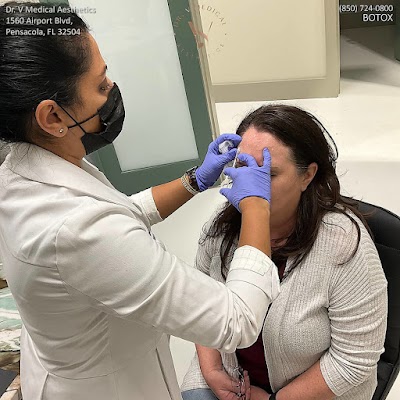
I have treated patients who came in wary after an experience elsewhere that left them too still. Rebuilding trust meant starting with partial zones, like only the frown, then adding the forehead in a lighter grid once they saw they could still raise their brows. Two sessions later, their friends told them they looked rested, not different. That is the quiet success we aim for. You look like you, just less burdened by habitual tension.
Botox skin rejuvenation works best as part of a relationship between you and your clinician. Anatomy changes, life changes, preferences change. When we keep the plan flexible, protect function, and keep the skin healthy, the face stays expressive and smooth in the right places. Balanced beauty is not the absence of lines, it is the presence of harmony. Within that harmony, botox is a skilled instrument. Use it with intent, keep the dose honest, and let your features breathe.